Red is the color everyone warns you about, and for once the warning is accurate. Red hair color fades faster than blonde, brunette, or black, and it is not about brand quality or stylist skill. It is about the size of the molecule. Red dye molecules are larger than other color molecules, which means they penetrate the hair shaft less deeply and sit closer to the surface. Every wash, every hot shower, and every sunny afternoon in Cherryville lifts a little more of them out.
You cannot change the molecule. You can change how fast it leaves. The checklist below works through the main escape routes in order, with the sign that tells you whether each one is your problem.
The red-fade checklist, biggest leak first
- Wash frequency: Pass if you wash two to three times a week or fewer. Fail if you shampoo daily, because each wash is the single largest fade event in a redhead's week. Fix: stretch washes with dry shampoo and rinse-only days.
- Water temperature: Pass if your showers run lukewarm on your hair. Fail if you wash under genuinely hot water, which swells the shaft and opens the cuticle so color rinses out visibly in the suds.
- Shampoo type: Pass if your regular shampoo is sulfate-free or labeled for color-treated hair. Fail if you are using a strong clarifying or anti-dandruff shampoo as your daily driver; those surfactants are built to strip, and red is what they strip first.
- First two weeks after coloring: Pass if you waited at least a day or two before the first wash and kept early washes gentle. Fail if the hair was shampooed hard the same night, since fresh color is at its most vulnerable while it settles.
- Sun exposure: Pass if long outdoor stretches come with a hat or a UV-protective product. Fail if summer days in the Carolina sun hit bare red hair for hours, because ultraviolet light breaks dye molecules down directly.
- Heat styling: Pass if hot tools come with heat protectant and moderate settings. Fail if a flat iron runs at its highest setting on unprotected hair, which fades tone and damages the cuticle that holds color in.
- Swimming: Pass if pool days start with wetting the hair in clean water and end with a rinse. Fail if chlorinated water soaks dry hair and dries in it, a combination that strips red faster than almost anything else.
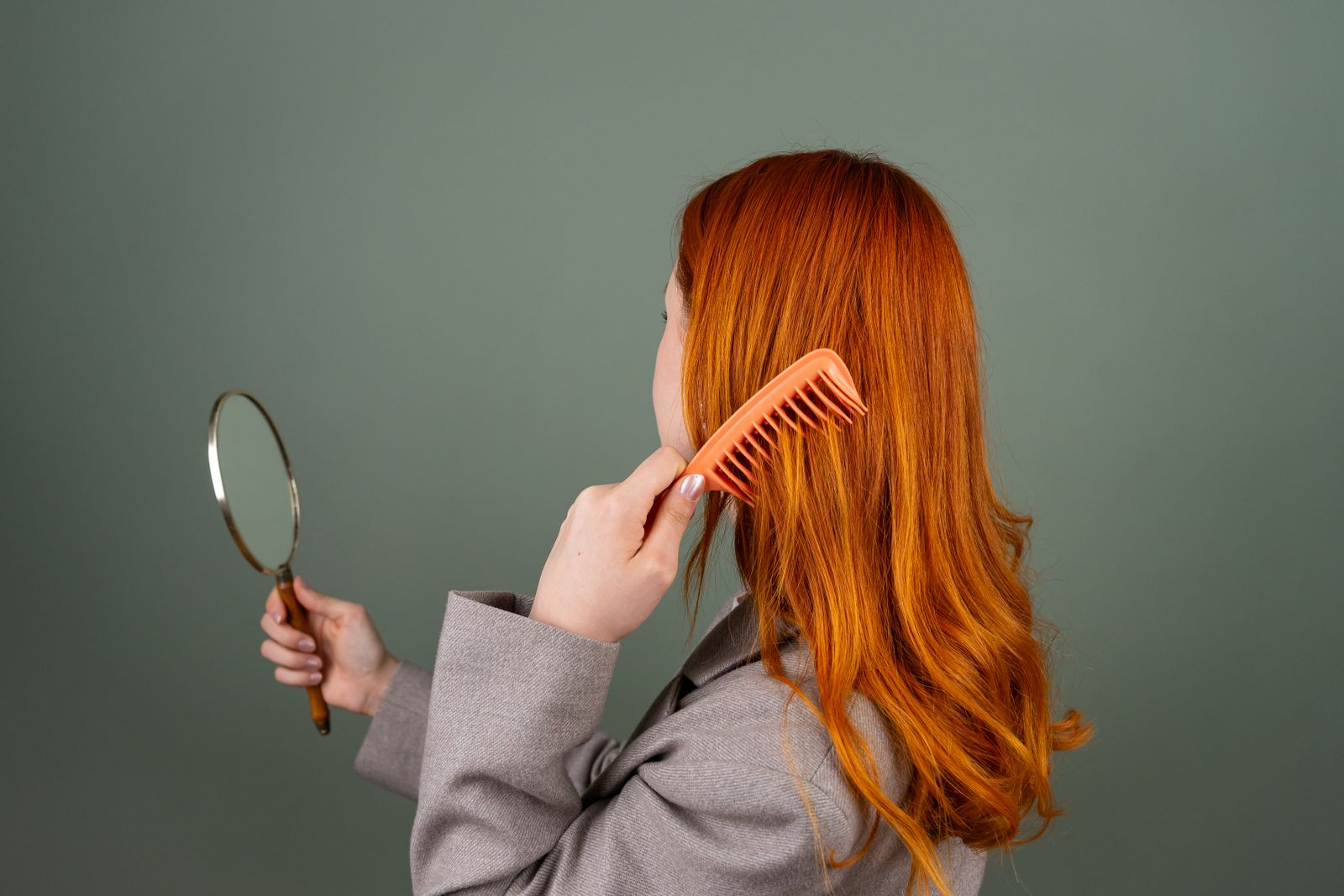
What the first month looks like when it goes right
Even perfect care does not stop red from fading; it changes the shape of the fade. Well-kept red loses intensity gradually and evenly and often settles into a softer version of itself that still looks deliberate for weeks. Neglected red goes patchy: the porous ends dump color first, the front fades from sun, and the roots, once they grow in, sit next to three different tones. A color-depositing conditioner or a gloss refresh partway through the cycle is the standard salon answer, topping the surface molecules back up before the fade starts looking accidental.

Choosing red with your eyes open
None of this is an argument against red. It is an argument for budgeting the upkeep honestly. Reds need gentler washing, cooler water, and a refresh rhythm that blonder and darker shades can skip. People who love the color and accept the routine keep it looking right for years, often with help from the team at Southern Roots Salon on a regular gloss schedule. People who want a set-it-and-forget-it color are happier in almost any other shade, and a good stylist will tell you that before the first foil, not after the first fade.
A note on shade choice within red
Not all reds fade at the same speed or in the same direction. Copper and ginger tones often soften into a lighter, warmer version of themselves and stay flattering deep into the fade. Blue-based and vivid fashion reds can go dull or patchy sooner, especially on porous hair. If your lifestyle involves daily washing or a summer outdoors, a stylist may steer you toward the shade of red whose faded state you still like, because you will be wearing that state for part of every cycle.
Common questions
Why does red fade faster than other colors?
Red dye molecules are larger than other shades, so they sit nearer the surface of the hair shaft instead of penetrating deeply. Washing, heat, and sun pull them out sooner, which is physics, not product quality.
Does cold water really help?
It does not have to be cold, just not hot. Lukewarm water swells the hair shaft less and lifts the cuticle less, so noticeably less color leaves with each wash.
Can a gloss bring faded red back?
A gloss or color-depositing treatment can refresh faded red substantially by adding surface color back. It works best as maintenance partway through the fade, not as a rescue after months of neglect.
Photos in this guide are representative stock images.
← All guides from Southern Roots Salon← Back to Southern Roots Salon