Ask ten people in Cherryville how often they wash their hair and you will get ten schedules, each defended like a family recipe. The honest answer is that wash frequency is not a virtue contest. Clean hair is not a fixed number of days; it is the point where your scalp's oil production, your hair's texture, and your actual life meet. Hair that looks greasy and flat by the second morning is not being mistreated by a wash. Hair that stays fresh for five days is not dirty for skipping three of them.
The useful way to answer the question is backwards: start from the symptom you are seeing, find the likely cause, and adjust the one variable that matches. Most wash problems are not about frequency at all. They are about technique.
Symptom to cause to fix
- Symptom: roots look oily within a day of washing. Likely causes: a genuinely active scalp, fine or straight hair that shows oil fast because it travels straight down the strand, or conditioner being applied at the roots. Fix at home first: shampoo the scalp twice, keep conditioner ears-down, and dry shampoo before bed rather than in the morning. If oiliness is new and sudden, mention it to a professional, since scalp conditions can change.
- Symptom: scalp itches and flakes a day or two after washing. Likely cause is often residue rather than dryness: shampoo not fully rinsed, product buildup, or a scalp that needs a proper clarifying wash. Work a clarifying shampoo into the rotation and rinse longer than feels necessary. Persistent flaking with redness is a scalp issue worth having looked at rather than washed harder.
- Symptom: lengths feel dry and straw-like even though roots get oily. This is the classic combination pattern and it is a technique problem, not a scheduling one. Shampoo belongs on the scalp only; the rinse carries enough cleanser through the ends. Conditioner belongs on the lengths. Washing the whole head with shampoo and conditioning the whole head back is how this tug-of-war starts.
- Symptom: curls look frizzy and undefined by day two. Curly and coily hair usually needs less frequent washing, not more, because oil travels slowly down a curved strand and the lengths run dry. The refresh is water and a little leave-in or gel reactivated on the curls, not a full wash that resets them to zero.
- Symptom: hair never feels truly clean after washing. Try the double cleanse. The first shampoo loosens oil and product; the second actually cleans, and it is the second one that should build a real lather. Many people blaming their schedule are really under-washing in a single pass, especially with sulfate-free formulas and hard water.
- Symptom: color fades faster than expected. Washing is a prime suspect, along with hot water. Stretch washes where your hair type allows, run the water lukewarm, and use color-safe products. Color-treated hair is the strongest case for washing less often.

Rough ranges, offered as ranges
Fine, straight, oily-scalped hair often lands at every day or every other day. Medium, wavy hair commonly sits at two to three washes a week. Thick, curly, or coily hair frequently does best at once a week or less, with refresh days in between. Heavy exercise, a job outdoors in Carolina heat, and swimming all push any of these toward more frequent washing, and that is correct rather than excessive. Activity is a legitimate input; a runner in August does not owe anyone an explanation.
The professional line
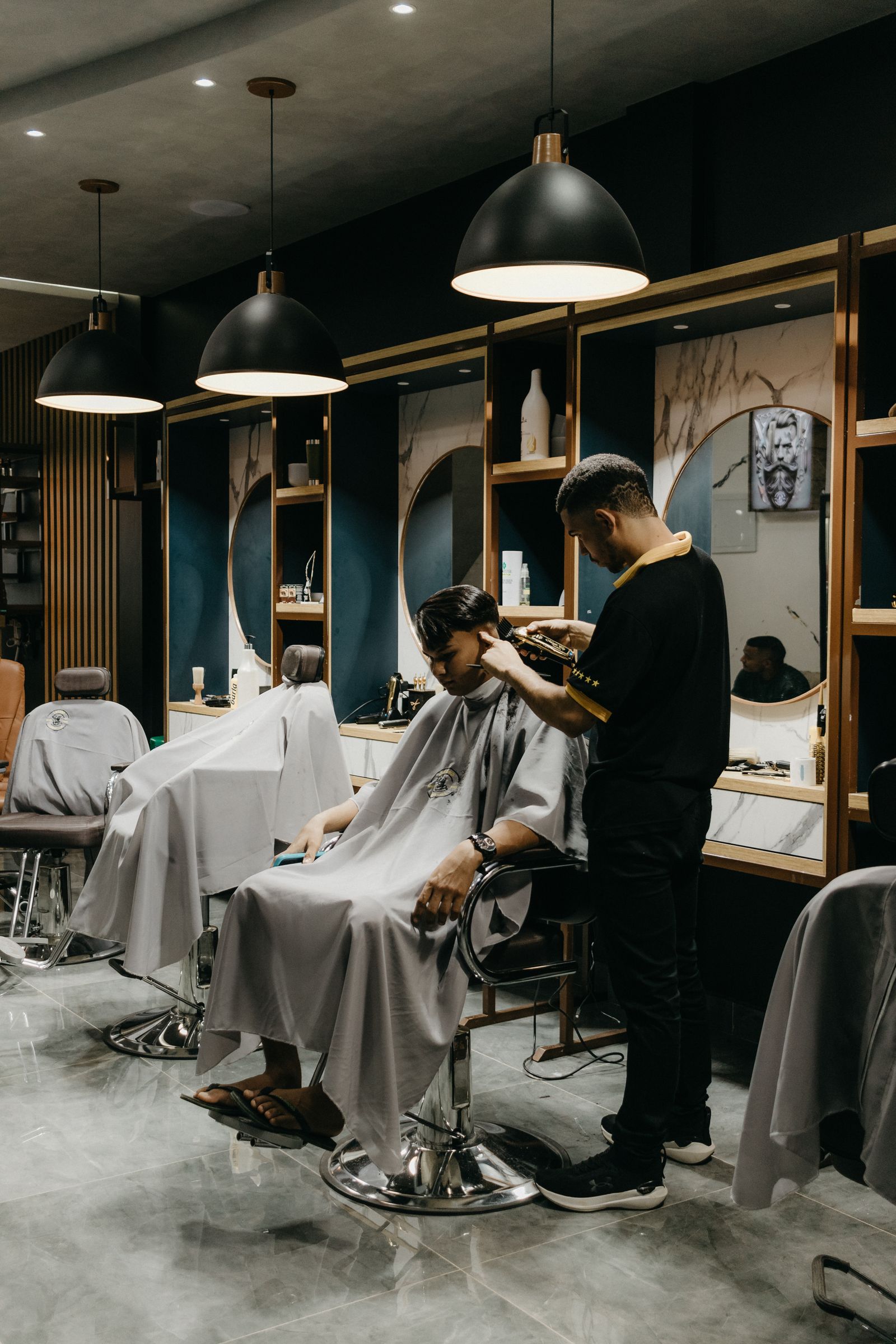
Home adjustment solves most wash questions. Cross the line to a salon conversation, or a dermatology one, when the scalp itself is the problem: persistent itching, flaking that ignores clarifying, sore spots, or a sudden change in oil production or shedding. A stylist at Southern Roots Salon can also reset the slate with a proper clarifying treatment and tell you plainly whether your hair reads over-washed or under-washed, which is hard to judge on your own head.
Common questions
Does washing less train your scalp to produce less oil?
The evidence for retraining is weak. Oil production is driven mostly by hormones and genetics, not by wash habits. Stretching washes is fine when your hair tolerates it, but an oily scalp is not a discipline problem.
What is the double cleanse, and who needs it?
Two shampoos in one shower: the first loosens oil and product, the second cleans and should lather fully. It helps people who wash infrequently, use heavy styling products, or have hard water.
Is dry shampoo a real substitute for washing?
It absorbs surface oil and buys a day, sometimes two. It does not clean the scalp, and buildup from relying on it too long causes its own dullness and itch. It is a bridge, not a replacement.
Photos in this guide are representative stock images.
← All guides from Southern Roots Salon← Back to Southern Roots Salon